


Understanding Wastewater: Why It’s Important and How We Can Manage It
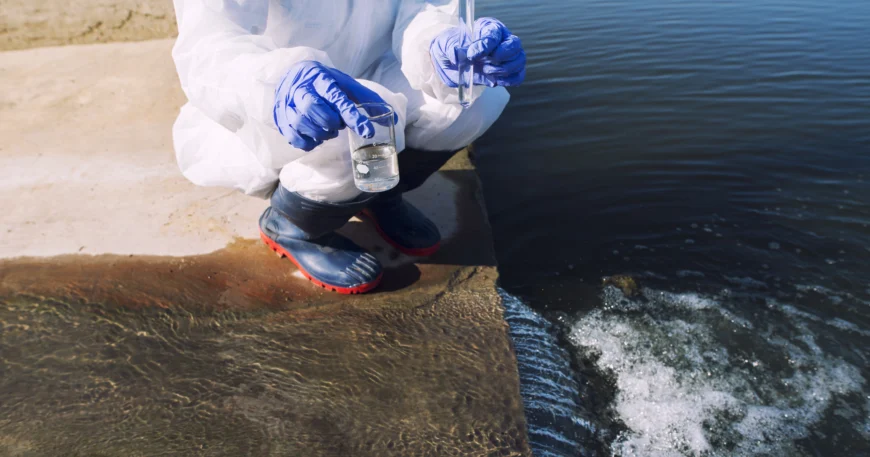
Wastewater—often referred to as “used water”—is a product of daily activities, from household use to industrial processes. While it may seem like just something to get rid of, wastewater management is actually a critical part of maintaining environmental and public health. Proper treatment and disposal of wastewater is necessary to prevent pollution, protect ecosystems, and ensure safe drinking water. Let’s take a closer look at why wastewater is important and how we can better manage it.
What is Wastewater?
Wastewater is any water that has been affected by human activity. This includes everything from water used for bathing, cooking, and cleaning, to runoff from streets, agricultural runoff, and effluent from factories. Wastewater can be categorized into three types:
Domestic wastewater: Water from household activities, like washing, cooking, and sewage.
Industrial wastewater: Water that comes from manufacturing processes or industrial activities.
Storm water runoff: Water that collects after rainfall and is usually contaminated with dirt, chemicals, or debris.
Because of the variety of sources, wastewater can contain harmful chemicals, bacteria, and pollutants that need to be removed before it can be safely released into the environment.
Why is Wastewater Treatment Important?
Protecting Human Health: Wastewater can contain harmful pathogens like bacteria, viruses, and parasites that pose health risks, including gastrointestinal diseases. Effective treatment helps eliminate these contaminants.
Environmental Preservation: If untreated wastewater is released into rivers, lakes, or oceans, it can harm aquatic ecosystems. High levels of pollutants like nutrients (nitrogen and phosphorus) can lead to algae blooms, oxygen depletion, and fish kills. Proper treatment helps protect aquatic life.
Conserving Water: With the growing global population and increasing water scarcity, wastewater treatment can also play a crucial role in water recycling. By treating and reusing wastewater, we can reduce the demand for fresh water resources.
How is Wastewater Treated?
Wastewater treatment involves a series of steps to remove contaminants and prepare the water for safe disposal or reuse. The primary stages of treatment include:
Preliminary Treatment: This step involves the removal of large debris, such as sticks, leaves, and trash, from the water. This is typically done using screens or grates.
Primary Treatment: In this stage, the water is allowed to settle in large tanks, where heavier particles (like sand, grease, and oil) sink to the bottom while lighter materials float to the top. These materials are removed from the water.
Secondary Treatment: This stage uses biological processes to break down organic matter, such as bacteria, human waste, and food scraps. This is usually done in aeration tanks, where oxygen is added to encourage the growth of bacteria that consume the organic pollutants.
Tertiary Treatment: The final stage, which involves further filtration, disinfection (using chlorine, ultraviolet light, or ozone), and sometimes nutrient removal, to ensure that the treated water is safe to be released into the environment or reused.
Sludge Treatment: The solid by-products (sludge) from the treatment process are also treated. Sludge can be further processed for disposal, composting, or even turned into biogas for energy.
The Future of Wastewater Management
With growing environmental awareness and advances in technology, wastewater treatment is evolving. Some exciting trends include:
- Resource Recovery: Instead of just treating and disposing of wastewater, modern systems are focusing on recovering valuable resources. For example, wastewater can be used to generate energy (biogas), recover nutrients like nitrogen and phosphorus for use in fertilizers, or even produce clean water through advanced filtration techniques like reverse osmosis.
- Decentralized Treatment Systems: In some areas, smaller, decentralized wastewater treatment systems are being implemented. These can be more sustainable, especially in rural or underdeveloped regions, by processing wastewater closer to where it is generated.
- Water Reuse and Recycling: As freshwater supplies become more limited, reusing treated wastewater is becoming more common. It can be used for irrigation, industrial processes, and even treated further to be used for potable water.
How You Can Help
While wastewater treatment is largely handled by municipalities and industries, there are still steps we can take as individuals to reduce the impact of wastewater:
Reduce chemical use: Avoid dumping chemicals like cleaning agents, oils, or pesticides down the drain.
Conserve water: Use water-saving devices, fix leaks, and be mindful of water usage to reduce the amount of wastewater produced.
Dispose of waste properly: Never flush non-biodegradable items (like wipes or plastics) down the toilet.
Support sustainable practices: Advocate for and support water reuse and wastewater treatment initiatives in your community.

