



What Is Circle of Blue?
Circle of Blue is an independent, non profit journalism organization dedicated to covering global freshwater issues. Founded in 2008 and based in the United States, it focuses on investigative reporting, data analysis, and multimedia storytelling related to:
- Global water scarcity
- Groundwater depletion
- Wastewater management
- Industrial and agricultural water use
- Climate change impacts on water resources
- Water governance and policy
The organization collaborates with scientists, researchers, policy experts, and international institutions to present in-depth analyses of water-related challenges. Its mission is to raise awareness and inform decision-makers, businesses, and the public about emerging water risks.
Key Issues Highlighted by Circle of Blue
1. Water Scarcity
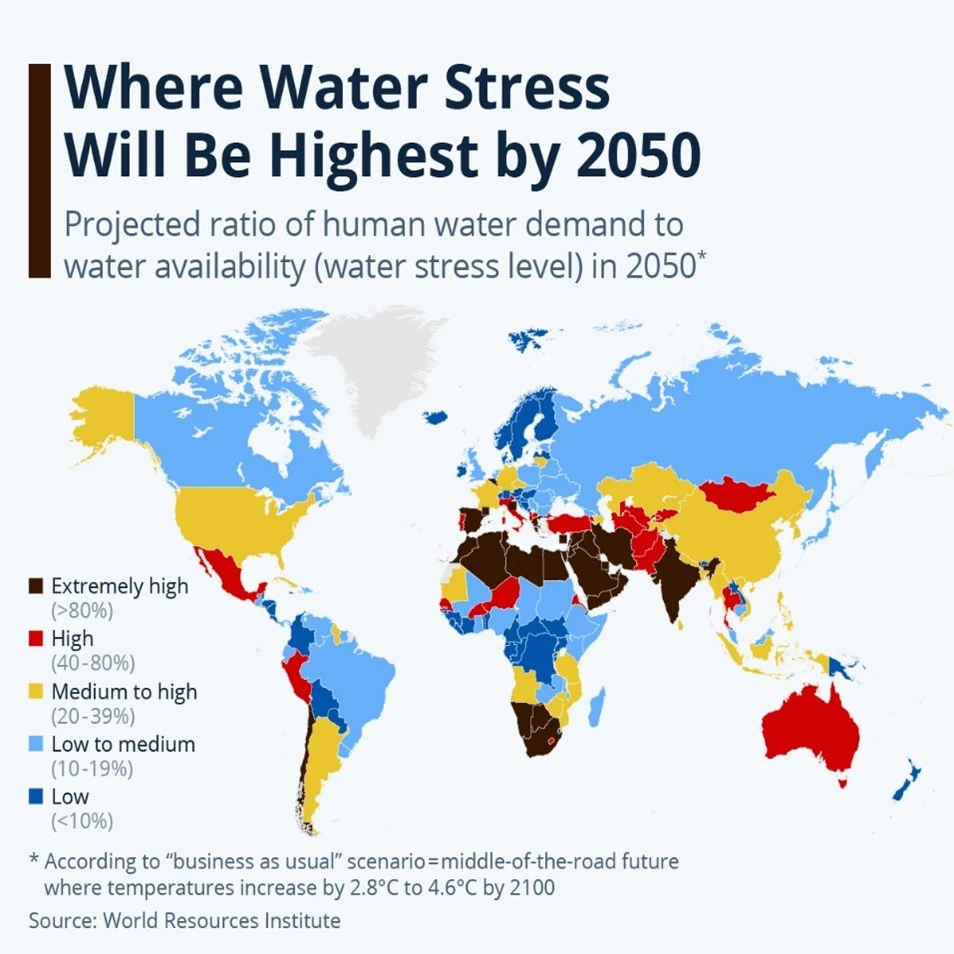
Many regions are experiencing declining freshwater availability due to overuse, climate variability, and population growth. Surface water bodies are shrinking, and groundwater reserves are being depleted faster than they can recharge.
2. Wastewater and Pollution
Untreated or poorly treated wastewater contaminates rivers, lakes, and aquifers. Industrial discharge, agricultural runoff, and aging municipal infrastructure significantly impact water quality.
3. Aging Infrastructure
In many developed and developing countries, water distribution and wastewater treatment systems are outdated. Leakage, pipe bursts, and inefficient treatment processes lead to water loss and public health risks.
4. Climate Change Impacts
Changing rainfall patterns, prolonged droughts, and extreme weather events are intensifying water stress globally. Climate change increases uncertainty in water supply systems.
Solutions to Global Water and Wastewater Challenges
Addressing these issues requires coordinated action across governments, industries, and communities. The following solutions are widely recognized as effective approaches:
1. Investment in Modern Infrastructure
- Upgrading water supply networks
- Replacing aging pipelines
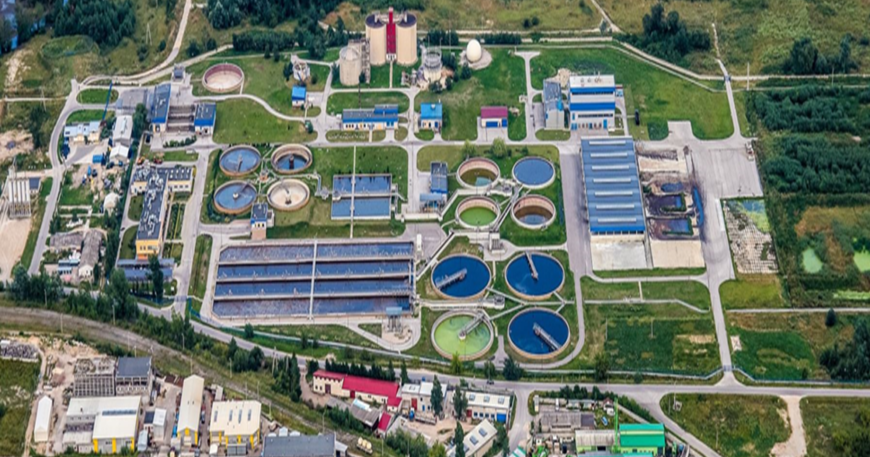
- Expanding advanced wastewater treatment facilities
- Implementing smart water monitoring systems
Modern infrastructure improves efficiency and reduces water losses.
2. Wastewater Recycling and Reuse
Wastewater should not be viewed as waste but as a resource. Treated wastewater can be reused for:
- Agricultural irrigation
- Industrial cooling processes
- Urban landscaping
- Groundwater recharge
Water reuse reduces pressure on freshwater sources.
3. Sustainable Water Management Policies
Governments should implement:
- Integrated water resource management (IWRM)
- Transparent water pricing mechanisms
- Strict pollution control regulations
- Groundwater extraction monitoring
Policy reforms ensure long-term sustainability.
4. Community Engagement and Conservation
Public awareness campaigns encourage:
- Water-saving household practices
- Rainwater harvesting
- Reduction in water wastage
- Proper sanitation and wastewater disposal
Community participation strengthens water governance.
5. Industrial Responsibility
Industries must adopt:
- Zero-liquid discharge systems
- Water-efficient technologies
- Regular environmental compliance audits
- Sustainable supply chain practices
Corporate accountability plays a crucial role in protecting water resources.

The Role of Journalism in Water Sustainability
Organizations like Circle of Blue contribute by:
- Providing reliable data and investigative reporting
- Highlighting underreported water crises
- Encouraging informed public dialogue
- Supporting evidence-based policymaking
Access to accurate information is essential for effective decision-making and sustainable development.
Conclusion
Water and wastewater management are among the most pressing global challenges of the 21st century. Circle of Blue plays a significant role in raising awareness about these issues through responsible journalism and data-driven reporting.
However, awareness alone is not sufficient. Real progress requires:
- Infrastructure modernization
- Technological innovation
- Strong governance
- Community participation
- Industrial accountability
By combining informed reporting with practical solutions, societies can move toward a future where clean and sustainable water is accessible to all.
