

Introduction
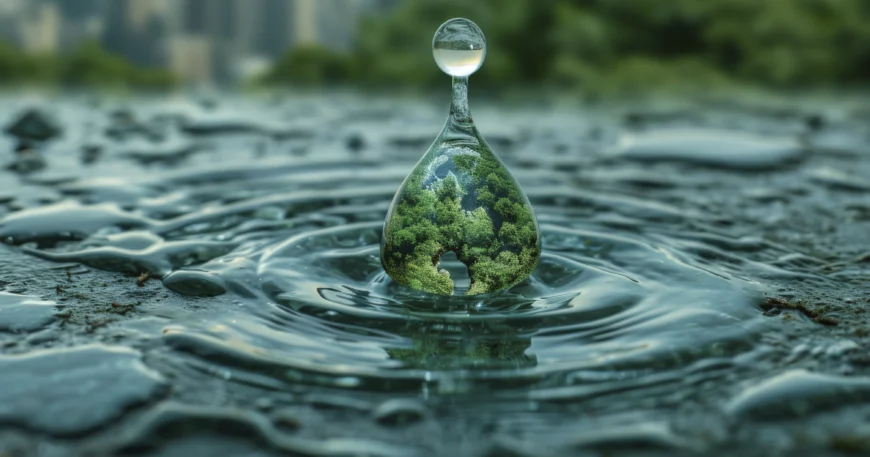
As global populations grow and industrial activities expand, the pressure on freshwater resources and wastewater infrastructure continues to intensify. Traditional wastewater treatment systems, while effective, are often energy-intensive, chemically dependent, and environmentally taxing. In response, green technology has emerged as a sustainable alternative, offering innovative ways to treat wastewater while minimizing environmental impact. Green technology in wastewater management focuses on reducing energy use, recovering resources, and protecting ecosystems—making it a critical component of sustainable development.
What Is Green Technology in Wastewater Management?
Green technology refers to environmentally friendly innovations designed to conserve natural resources and reduce pollution. In wastewater management, it involves the use of natural, low-energy, and resource-efficient processes to treat and reuse water. These technologies aim not only to meet regulatory discharge standards but also to promote water reuse, energy generation, and nutrient recovery.
Key Green Technologies Used in Wastewater Treatment
1. Constructed Wetlands
Constructed wetlands mimic natural wetland ecosystems to treat wastewater through physical, chemical, and biological processes. Plants, soil, and microorganisms work together to remove pollutants such as nutrients, organic matter, and pathogens. These systems are cost-effective, require low maintenance, and provide added benefits like biodiversity enhancement and carbon sequestration.
2. Anaerobic Digestion
Anaerobic digestion uses microorganisms to break down organic waste in the absence of oxygen. This process not only treats wastewater sludge but also produces biogas, a renewable energy source that can be used for heating or electricity generation. As a result, treatment plants can reduce operational costs and their carbon footprint.
3. Membrane Bioreactors (MBRs)
Membrane bioreactors combine biological treatment with membrane filtration, producing high-quality effluent suitable for reuse. Compared to conventional systems, MBRs require less space and deliver superior pollutant removal. When paired with energy-efficient membranes, they represent a greener, more compact solution for urban wastewater treatment.
4. Algae-Based Treatment Systems
Algae play a growing role in green wastewater treatment. They absorb nutrients such as nitrogen and phosphorus while producing oxygen for bacterial activity. Harvested algae can be converted into biofuels, fertilizers, or animal feed, turning wastewater from a disposal problem into a resource recovery opportunity.
5. Solar-Powered Treatment Plants
Integrating solar energy into wastewater treatment operations significantly reduces dependence on fossil fuels. Solar-powered aeration systems, pumps, and monitoring equipment help lower greenhouse gas emissions while ensuring reliable treatment, especially in remote or energy-scarce regions.
Benefits of Green Technology in Wastewater Management
Environmental Benefits
Green technologies reduce pollution, conserve water, and lower greenhouse gas emissions. By promoting water reuse and minimizing chemical usage, they help protect aquatic ecosystems and improve overall environmental health.
Economic Advantages
Although some green technologies require higher initial investment, they often result in long-term cost savings through reduced energy consumption, lower maintenance costs, and resource recovery (such as biogas or reclaimed water).
Social and Public Health Impact
Cleaner water and improved sanitation directly contribute to better public health. Decentralized green treatment systems can also provide wastewater solutions to rural and underserved communities, enhancing social equity.
Challenges in Adopting Green Technologies
Despite their advantages, green wastewater technologies face challenges such as high upfront costs, technical complexity, and limited awareness. Regulatory barriers and lack of skilled personnel can also slow adoption. Addressing these challenges requires supportive policies, financial incentives, and investment in research and training.
The Future of Green Wastewater Management
The future of wastewater management lies in integrated, smart, and circular systems. Advances in artificial intelligence, real-time monitoring, and nature-based solutions will further enhance the efficiency of green technologies. As climate change and water scarcity become more severe, the adoption of sustainable wastewater solutions will be essential for resilient cities and industries.
Conclusion
Green technology is transforming wastewater management from a linear, waste-disposal model into a circular, resource-efficient system. By embracing eco-friendly treatment methods, societies can conserve water, generate renewable energy, and protect the environment. Investing in green wastewater technologies is not just an environmental choice—it is a strategic step toward a sustainable and water-secure future.
