

As global water demand rises and environmental regulations become stricter, wastewater treatment is undergoing a major transformation. Traditional treatment systems, while effective, are often energy-intensive, costly, and slow to adapt to changing conditions. The future of wastewater treatment lies in smart technologies and automation, which promise greater efficiency, sustainability, and reliability.
Why Wastewater Treatment Needs Innovation
Rapid urbanization, industrial growth, and climate change are placing unprecedented pressure on water resources. Aging infrastructure struggles to meet modern demands, leading to inefficiencies, pollution risks, and higher operational costs. Smart technologies offer solutions by enabling real-time monitoring, predictive maintenance, and optimized treatment processes.
Smart Sensors and Real-Time Monitoring
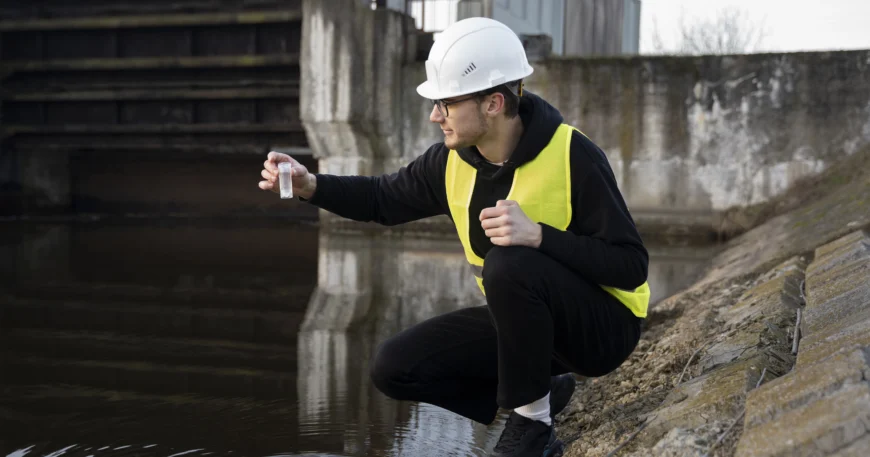
One of the most impactful advancements is the use of smart sensors. These devices continuously monitor key parameters such as pH, temperature, turbidity, dissolved oxygen, and chemical concentrations. Real-time data allows operators to detect problems early, prevent system failures, and ensure consistent treatment quality.
By replacing manual sampling with automated monitoring, treatment plants can respond instantly to fluctuations in wastewater composition and flow rates.
Automation and Artificial Intelligence (AI)
Automation is revolutionizing how wastewater treatment plants operate. Automated control systems adjust chemical dosing, aeration, and filtration processes without human intervention. This not only improves efficiency but also reduces human error.
Artificial intelligence takes automation a step further by analyzing historical and real-time data to predict equipment failures, optimize energy usage, and improve treatment outcomes. AI-driven systems can learn from patterns, helping plants operate more intelligently over time.
Internet of Things (IoT) in Wastewater Management
The Internet of Things (IoT) connects sensors, equipment, and control systems into a unified network. IoT-enabled wastewater treatment plants can be monitored remotely, allowing operators to manage multiple facilities from a single location.
This connectivity enhances transparency, reduces downtime, and supports faster decision-making. It is especially valuable for decentralized or rural wastewater treatment systems where on-site staffing may be limited.
Energy Efficiency and Resource Recovery
Smart technologies also support sustainability by reducing energy consumption and enabling resource recovery. Automated aeration systems, for example, optimize oxygen supply and significantly cut energy use.
Advanced treatment plants can now recover valuable resources such as biogas, nutrients, and reclaimed water. These innovations turn wastewater from a disposal problem into a valuable resource, supporting circular economy principles.
Digital Twins and Predictive Maintenance
Digital twin technology creates a virtual replica of a wastewater treatment plant. Operators can simulate different scenarios, test upgrades, and predict system behavior without risking real-world failures.
Predictive maintenance uses data analytics to identify equipment wear before breakdowns occur. This reduces maintenance costs, extends equipment lifespan, and prevents costly emergency repairs.
Challenges and Considerations
Despite its benefits, smart wastewater treatment faces challenges. High initial investment costs, cybersecurity risks, and the need for skilled personnel can slow adoption. However, as technology becomes more affordable and training improves, these barriers are gradually diminishing.
Governments and utilities must also ensure data privacy and system resilience to protect critical infrastructure.
The Road Ahead
The future of wastewater treatment is intelligent, automated, and sustainable. Smart technologies will play a key role in meeting global water challenges by improving efficiency, reducing environmental impact, and enhancing public health protection.
As cities and industries continue to grow, investing in smart wastewater treatment systems will be essential for building resilient water infrastructure and ensuring a sustainable future.
Conclusion
Smart technologies and automation are redefining wastewater treatment. By embracing innovation, the sector can move beyond basic treatment toward optimized, resource-efficient systems. The future is not just about treating wastewater—it’s about managing water wisely.

