


Introduction
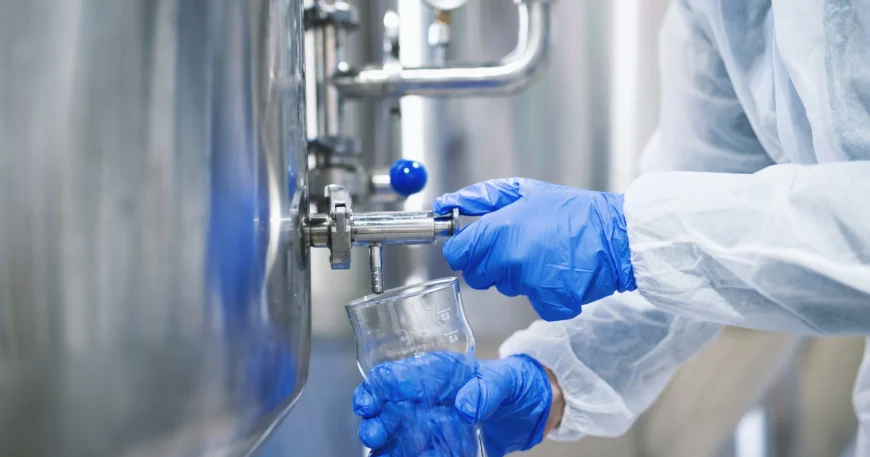
Water is a critical raw material in the pharmaceutical industry. From formulation and cleaning to steam generation and laboratory use, water quality directly impacts product safety, regulatory compliance, and operational efficiency. A Reverse Osmosis (RO) plant plays a vital role in producing high-purity water that meets stringent pharmaceutical standards.
Importance of High-Purity Water in Pharma
Pharmaceutical manufacturing requires water that is free from:
- Dissolved salts (TDS)
- Organic contaminants
- Microorganisms
- Endotoxins and pyrogens
Any variation in water quality can affect drug stability, batch consistency, and patient safety. Therefore, RO systems are widely used as a primary purification step in pharmaceutical water treatment.
How Reverse Osmosis Works
Reverse osmosis is a membrane-based filtration process where water is forced through a semi-permeable membrane under pressure. This membrane:
- Removes 95–99% of dissolved salts
- Rejects bacteria, viruses, and organic matter
- Reduces hardness and silica
RO systems are often combined with pre-treatment units such as multimedia filters, activated carbon filters, and softeners to ensure consistent performance and long membrane life.
Applications of RO Water in the Pharma Industry
- RO-treated water is used for:
- Purified Water (PW) generation
- Feed water for WFI (Water for Injection) systems
- Equipment cleaning and CIP systems
- Boiler feed and HVAC humidification
- Laboratory and analytical applications
Key Features of Pharma RO Plants
- A pharmaceutical RO system is designed with:
- Sanitary piping and hygienic design
- Low TOC and microbial control
- Automated operation with PLC/SCADA
- Online monitoring of conductivity, flow, and pressure
- Easy sanitization and validation readiness
- These features help ensure compliance with GMP guidelines and global pharmacopoeia standards.
- Regulatory Compliance
- RO plants for pharma applications are designed to meet:
- WHO guidelines
- US FDA requirements
- EU GMP standards
- USP, EP, and IP water quality norms
- Proper documentation, validation, and monitoring are essential parts of the system design.
- Benefits of RO Plants in Pharma Manufacturing
- Consistent high-quality water
- Reduced operational and maintenance costs
- Improved product safety and reliability
- Scalability for future capacity expansion
- Enhanced compliance with regulatory standards
Conclusion
A well-designed Reverse Osmosis plant is the backbone of pharmaceutical water treatment systems. By delivering reliable, high-purity water, RO plants help pharmaceutical manufacturers maintain quality, ensure compliance, and optimize production efficiency.

