

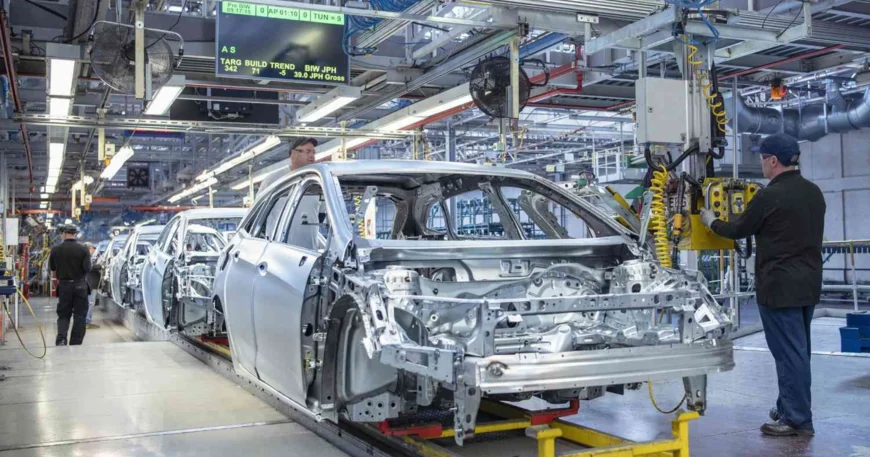
In today’s environmentally regulated manufacturing landscape, installing an Effluent Treatment Plant (ETP) for automobile industries is no longer optional—it is a necessity. Automobile manufacturing units generate large volumes of wastewater containing oil, grease, heavy metals, paints, solvents, and chemicals. Without proper treatment, this effluent can cause serious environmental damage and regulatory non-compliance.
What is an Effluent Treatment Plant (ETP)?
An Effluent Treatment Plant (ETP) is a wastewater treatment system designed to treat industrial effluent before discharge or reuse. In automobile industries, ETPs remove contaminants such as:
- Oil & grease
- Suspended solids
- Chemical Oxygen Demand (COD)
- Biological Oxygen Demand (BOD)
- Heavy metals (Chromium, Nickel, Zinc, Lead)
- Paint sludge and phosphates
The treated water can either be safely discharged according to environmental norms or reused within the plant.
Why Automobile Industries Need an ETP System
Automobile manufacturing involves multiple water-intensive processes, including:
- Paint shop operations
- Surface treatment and phosphating
- Electroplating
- Engine and component washing
- Boiler and cooling tower blowdown
These processes generate wastewater with complex chemical compositions. An industrial ETP system ensures:
- Compliance with pollution control board standards
- Reduction in environmental impact
- Water recycling and conservation
- Safe sludge disposal
- Improved corporate sustainability
Process Flow of Effluent Treatment Plant for Automobile Industry
A typical ETP process flow includes the following stages:
Preliminary Treatment
Purpose: Removal of large solids and free oil.
- Bar screening chamber
- Oil & grease trap / API separator
- Equalization tank
This stage protects downstream equipment from clogging and overload.
Primary Treatment
Purpose: Chemical treatment and settling of suspended solids.
- pH correction / Neutralization tank
- Coagulation and flocculation tank
- Primary clarifier
Chemicals like alum, PAC, and polymers are used to form flocs, which settle as sludge.
Secondary (Biological) Treatment
Purpose: Reduction of organic pollutants (BOD & COD).
- Aeration tank (Activated Sludge Process)
- Secondary clarifier
Microorganisms break down organic contaminants into simpler compounds.
Tertiary Treatment
Purpose: Advanced polishing of treated water.
- Pressure Sand Filter (PSF)
- Activated Carbon Filter (ACF)
- Ultrafiltration (UF)
- Reverse Osmosis (RO)
For industries targeting Zero Liquid Discharge (ZLD), additional evaporation and crystallization systems are installed.
Key Design Considerations for Automobile ETP
When designing an ETP for automobile manufacturing plants, engineers consider:
- Daily effluent generation (KLD/MLD)
- Influent pollutant load
- Space availability
- Discharge norms
- Sludge generation rate
- Possibility of water reuse
A properly designed system ensures operational efficiency and cost optimization.
Benefits of Installing an Industrial ETP
Regulatory Compliance
Ensures adherence to environmental discharge standards.
Water Reuse & Recycling
Treated water can be reused for:
- Cooling towers
- Gardening
- Washing operations
Reduced Operational Costs
Lower freshwater consumption and reduced penalties.
Environmental Protection
Prevents contamination of soil, rivers, and groundwater.
Sustainable Manufacturing
Supports ESG goals and corporate sustainability targets.
Sludge Management in Automobile ETP
Sludge generated during primary and secondary treatment may contain heavy metals and paint residues. Proper sludge management includes:
- Sludge thickener
- Filter press dewatering
- Hazardous waste disposal as per regulations
Improper sludge disposal can lead to secondary pollution risks.
Future Trends in Automobile Effluent Treatment
Modern automobile industries are adopting:
- Zero Liquid Discharge (ZLD) systems
- Membrane bioreactors (MBR)
- Smart monitoring with IoT sensors
- Automated chemical dosing systems
- Energy-efficient aeration technologies
These innovations improve treatment efficiency and reduce operating costs.
Conclusion
An Effluent Treatment Plant for automobile industries is essential for environmental compliance, water conservation, and sustainable growth. With increasing environmental regulations and water scarcity concerns, investing in a modern ETP system is a strategic decision that benefits both the environment and business operations.
If you’re automobile manufacturing unit is planning to install or upgrade an ETP system, choosing the right design and technology will ensure long-term efficiency, compliance, and cost savings.